Best gifts for kids who live far from their parents
Finding the best gifts for kids who live far from their parents starts with one question. What will help the child feel close, safe, and remembered on ordinary days, not only on special occasions? The strongest options are usually simple, personal, and easy to use without extra effort from the child or parent.
Key takeaway: The best gifts support connection, not just entertainment. Choose items that invite routine, memory, or two-way interaction so the child can feel a parent’s presence in a natural way.
Best gifts for kids who live far from their parents
Before comparing products, use a clear filter. A good gift for a child separated from a parent should be age-appropriate, easy to maintain, emotionally meaningful, and practical enough to use often. It should also fit the family’s communication habits, whether that means voice messages, photos, bedtime routines, or shared surprises.
For families building a stronger long-distance routine, ideas that combine sentiment and daily use often work best. That is why some parents also look at resources like cute connection rituals and best ways to cope with distance in long-distance relationship to shape the gift around a real communication pattern.
1. A message box that delivers notes on demand
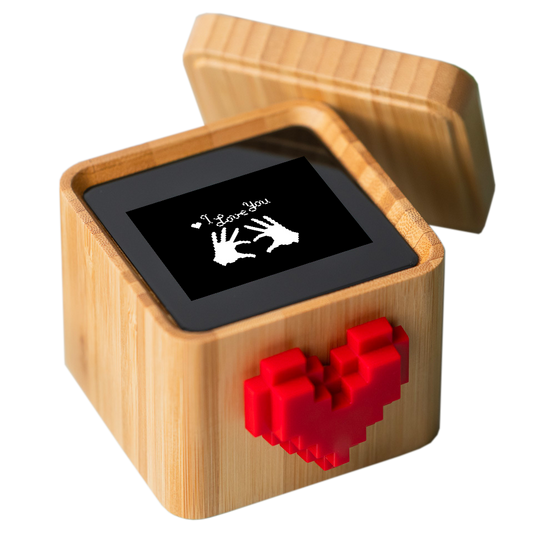
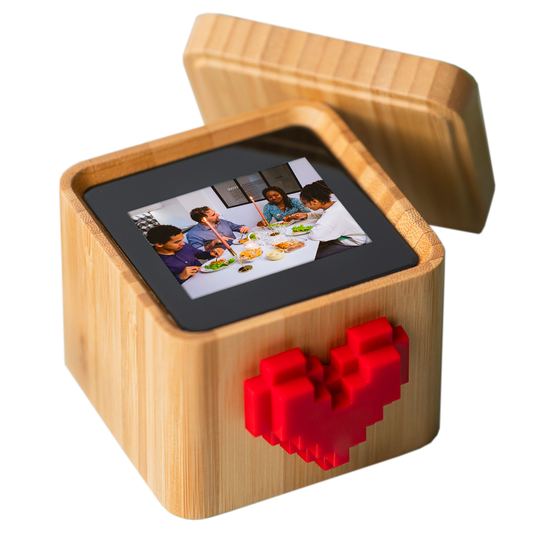
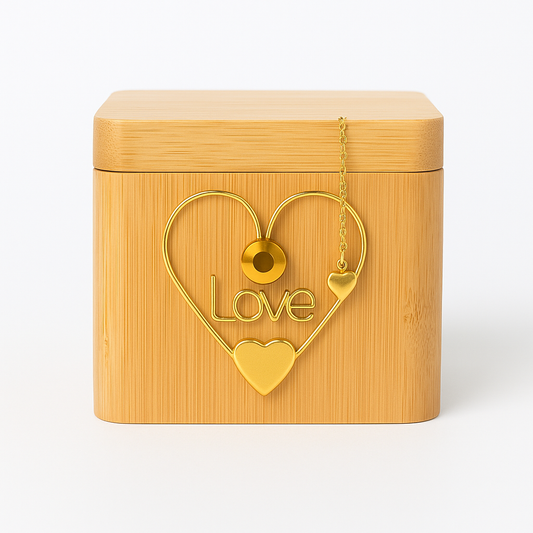
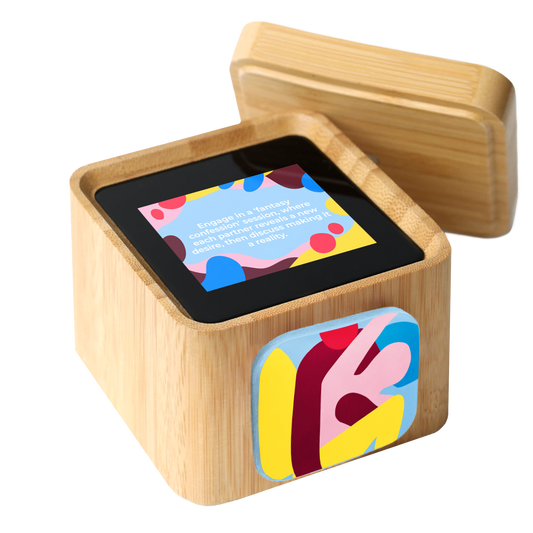
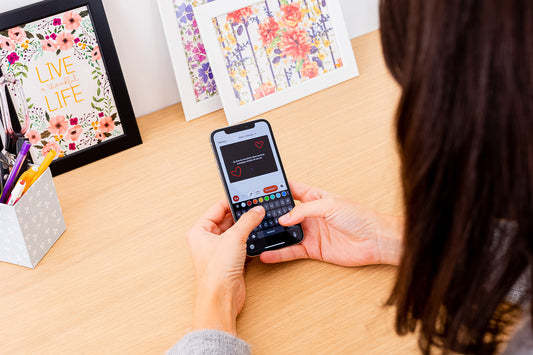
A connected message box is one of the most useful options for kids who miss a parent. It lets a parent send short notes, drawings, voice messages, or small surprises that arrive at the child’s pace. Lovebox fits this need well because it turns emotional contact into a simple habit, which can be especially helpful for younger children who benefit from predictable reassurance.
Personalization matters here. Add a favorite nickname, a repeating bedtime message, or a weekly “good luck at school” note. For older kids, keep the tone light and specific, such as a joke, a memory, or a short encouragement before exams.
2. A custom storybook with the parent in the storyline
A personalized storybook works well for children who enjoy read-aloud time. It can show the parent as a character, include the child’s name, and reinforce themes like love, patience, and reunion. This option is strongest for kids who want a comforting ritual at bedtime or during quiet moments.
Choose a book with simple language and durable pages for younger readers. For older kids, look for a version with more detailed illustrations or a story that reflects the child’s real life, such as travel, school, or frequent video calls.
3. A plush toy with a recorded voice message
A plush toy that plays a parent’s voice can be useful when a child needs comfort between calls. It works well for toddlers and early elementary ages because the gift feels familiar and physical. The sound of a parent’s voice can make transitions easier, especially at bedtime or during travel.
Keep the recording short and warm. A greeting, a memory, and a reassurance are usually enough. If the child changes routines often, choose a toy with simple controls and replaceable batteries.
4. A photo calendar or memory album
Children often respond well to visible reminders of family life. A photo calendar or album can show the parent’s face, shared vacations, pets, school milestones, or holiday traditions. It gives the child something tangible to look at without requiring a screen.
This gift is useful when the parent wants to support ongoing conversation. Add captions, dates, or tiny prompts like “tell me about this day” so the album becomes part of the relationship, not just decoration.
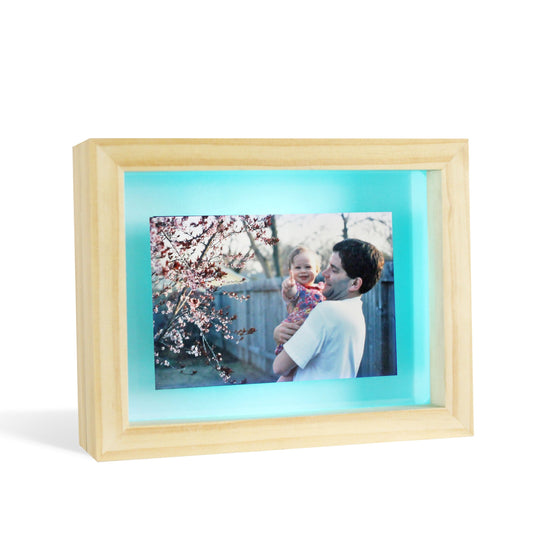
5. A digital frame for family photos and short videos
A digital frame can be a strong choice for families that already send photos often. It lets new images appear automatically, which keeps the child’s space fresh and connected to the parent. This can work especially well for school-age children who enjoy seeing a steady stream of family moments.
Set it up before gifting if possible. Preload a mix of everyday pictures, not only special events. That balance helps the child feel that the parent is present in normal life, which is often what distance makes hardest.
6. A shared activity kit for remote connection
Shared activity kits, such as crafts, LEGO sets, baking kits, or science projects, are useful because they create a shared experience. The parent and child can open the same kit during a video call, which turns a gift into a recurring moment. This is a strong option for kids who like hands-on play.
Pick a kit that matches the child’s age and attention span. Include a note with the planned call time so the activity feels intentional. If the child has multiple caregivers, choose something easy to pause and resume later.
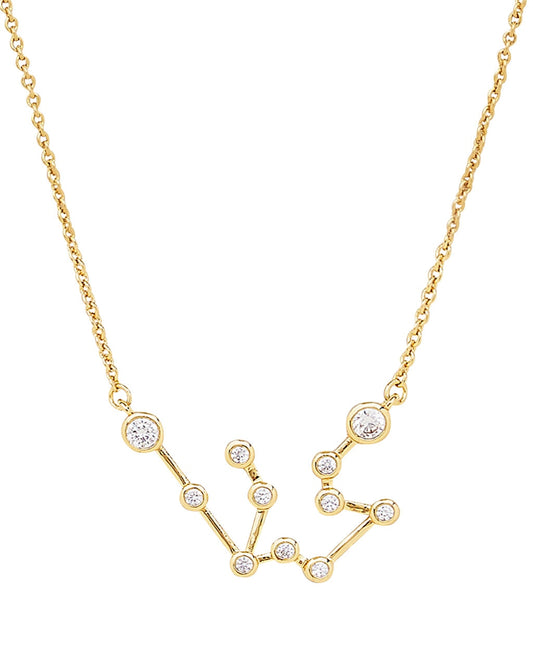
7. A wearable keepsake, such as a bracelet or pendant
Small keepsakes can help older children and teens feel close to a parent without being too childish. A bracelet, pendant, or keychain engraved with initials, a date, or a short phrase can serve as a private reminder of the relationship. This works best when the child wants something subtle and personal.
Choose durable materials and simple designs. The most effective keepsakes are often the ones the child can wear daily or carry in a backpack without worry.
8. A subscription that creates regular surprises
A monthly subscription can work well when the parent wants the gift to last beyond one day. Book clubs, activity boxes, snack packs, or age-appropriate hobby kits can create a recurring moment of anticipation. The key is consistency, because repeated delivery can feel like a steady touchpoint.
Match the subscription to the child’s real interests. A child who loves drawing will use a creative kit more than a general toy box, and a child who likes stories may prefer books over gadgets.
How to personalize the gift so it feels emotionally useful
Personalization should support connection, not add clutter. Use the child’s routines, favorite phrases, interests, or milestones as the starting point. A gift for a child who lives far from a parent works best when it reflects how that child already stays connected, whether through bedtime calls, weekend updates, or shared jokes.
Simple personalization often has the most impact. Add the parent’s voice, a handwritten note, favorite colors, or a repeated message that the child can recognize instantly. If the child is younger, keep the language short and reassuring. If the child is older, make it feel more private and age-respectful.
For families who want more ideas around keeping daily contact meaningful, the article on how to stay connected as a long distance family can help shape a gift into a lasting routine. That is often the difference between a nice item and a useful emotional tool.
Budget guidance for different types of gifts
Budget matters, but price does not always predict impact. A low-cost item with strong personalization can be more meaningful than a larger gift that sits unused. The best range depends on age, shipping costs, and whether the gift needs a subscription, setup, or ongoing replacement parts.
- Under $25: handwritten books, photo prints, small keepsakes, or a simple voice recording item.
- $25 to $75: custom storybooks, activity kits, plush toys with audio, or a quality memory album.
- $75 and up: digital frames, connected message devices, or premium subscriptions that last for months.
If the goal is daily connection, spend where the child will feel the difference most. A device that supports repeated messages may offer more value than a one-time novelty item, especially in long-distance family routines.
Common mistakes to avoid
One common mistake is choosing a gift that requires too much setup. If the child depends on an adult to use it, the gift may fade quickly. Another mistake is making the gift about the parent’s feelings only, instead of the child’s age, habits, and comfort level.
Avoid gifts that are fragile, overly complicated, or hard to replace. It also helps to skip items that create pressure, such as gifts that ask the child to reply in a certain way. The best choices invite connection without making it feel like homework.
FAQs about gifts for kids who live far from their parents
What is the most meaningful gift for a child who lives far from a parent?
The most meaningful gift is usually one that supports regular contact, such as a message device, voice-based toy, or personalized storybook. These options work because they combine emotion with routine. For many children, the value comes from hearing, seeing, or reading something from a parent more than from the object itself.
What gifts work best for younger kids?
Younger kids often respond well to plush toys, recorded voices, custom books, and photo-based gifts. These options are concrete and comforting, which helps when a child cannot fully understand distance. They also fit bedtime routines, quiet time, and moments when a parent’s voice or image can offer reassurance.
What gifts are better for older kids or teens?
Older kids and teens may prefer subtle keepsakes, digital frames, subscriptions, or practical items with emotional value. The best choice depends on how much they want to display the gift. Age-respectful personalization, such as initials, dates, or a private note, often works better than anything too cute or childish.
Should a gift replace regular communication?
No. A gift should support communication, not replace it. The strongest gifts create a reason to connect more often, whether through messages, photos, calls, or shared activities. That is why thoughtful tools such as Lovebox can be so effective for long-distance parenting, because they turn affection into a repeatable habit.
When the goal is to close the emotional gap, choose a gift that fits daily life. A child who can see, hear, or use the reminder often will usually feel more connected than with a decorative item that stays on a shelf.
For families choosing between several gift styles, start with the child’s age, the parent-child routine, and the type of contact that already works best. That framework makes it easier to pick something useful, personal, and worth giving.