How to stay connected to kids when travelling for work
Staying connected to kids when travelling for work takes more than a quick goodnight text. It works best when contact feels predictable, age-appropriate, and personal. The goal is not to replace home life. The goal is to keep your presence familiar, even across time zones, airports, and busy schedules.
Key takeaway: Kids stay more connected when work travel follows a simple communication plan. Short, consistent touchpoints often matter more than long calls that are hard to maintain.
What it means to stay connected to kids when travelling for work
Connection means your child still feels seen, known, and included while you are away. That can come through a routine call, a voice note, a shared photo, or a small ritual that happens every trip. For younger children, the pattern matters more than the length of the conversation. For older kids, privacy and timing become more important.
This kind of connection also supports emotional security. Children often handle absence better when they know when they will hear from you next and what to expect. A clear pattern reduces uncertainty, which can make work travel feel less disruptive for the whole household.
Why this matters for family life
Frequent travel can create gaps in daily life, especially around meals, school updates, bedtime, and weekends. Without a plan, children may start to feel left out of the routine. That is why connection works best as a system, not a series of random check-ins.
Thoughtful family rituals can help. Some parents use a nightly voice note, a Saturday breakfast call, or a travel countdown calendar. For families that want a more durable routine, the ideas in how to maintain a good relationship with your child and parenting tips for long distance parenting can complement a travel schedule without adding pressure to every conversation.
A simple framework that helps before the trip starts
Before leaving, decide on three things: when contact will happen, what kind of contact makes sense, and what happens if a call is missed. This prevents mixed expectations and last-minute disappointment. A plan should be simple enough to follow from a hotel room, a conference, or an airport gate.
- Set a rhythm. Choose one daily or near-daily touchpoint that is realistic across time zones.
- Match the child’s age. Younger children may prefer video calls, while teens may respond better to texts or voice notes.
- Keep it short and repeatable. Five focused minutes can feel more steady than a long call that keeps getting postponed.
- Plan a backup. If a call fails, send a message, photo, or short audio note so the connection still happens.
- Protect key moments. School events, bedtime, and important routines deserve extra attention when possible.
Shortlist of practical ways to stay connected
The strongest options are the ones you can repeat during every trip. Choose a few and make them part of the routine. If your schedule shifts often, pair one live interaction with one asynchronous method, such as photos or voice messages.
1. Daily voice notes
Voice notes work well when time zones or meetings make live calls unreliable. They let kids hear tone, not just words, which can feel more comforting than text. Add one detail from your day and one question about theirs to keep the exchange balanced.
2. Short video calls with a fixed time
A short video call at the same time each day gives children a predictable point of contact. This fits younger kids who like seeing a face and older kids who prefer a quick check-in. Keep the call structured with a greeting, one update, and one plan for the next contact.
3. Shared photo moments
Photos help kids picture where you are and what your day looks like. A picture of a hotel breakfast, a conference badge, or the view from a window can turn travel into something tangible. For many families, this feels less formal than a call and easier to send during a busy day.
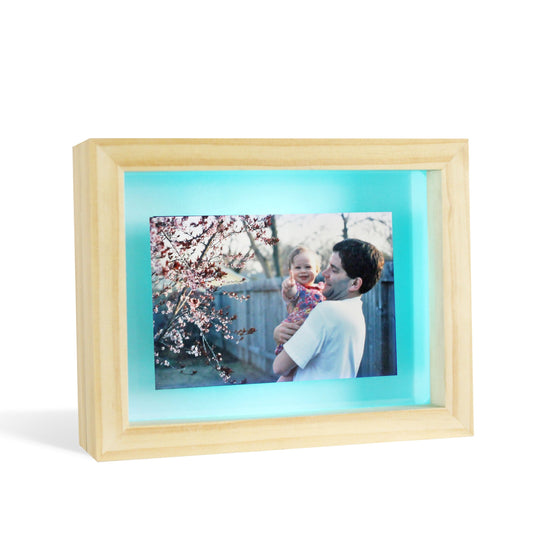
Some parents also look at a family gift to share photos and messages at home when they want a simple way to keep messages visible for the child, especially if the parent is often away. That kind of shared space can make daily check-ins feel more present.
4. A bedtime message ritual
A bedtime ritual is helpful because it anchors the child’s day. It can be a recorded story, a goodnight message, or the same phrase every night. The repetition matters. It signals that the relationship remains stable, even when the parent is not physically there.
5. A countdown or return calendar
Children often manage distance better when they can see when reunion will happen. A paper calendar, a whiteboard, or a shared phone calendar can all work. Marking travel days, school events, and the return date gives the child a concrete timeline.
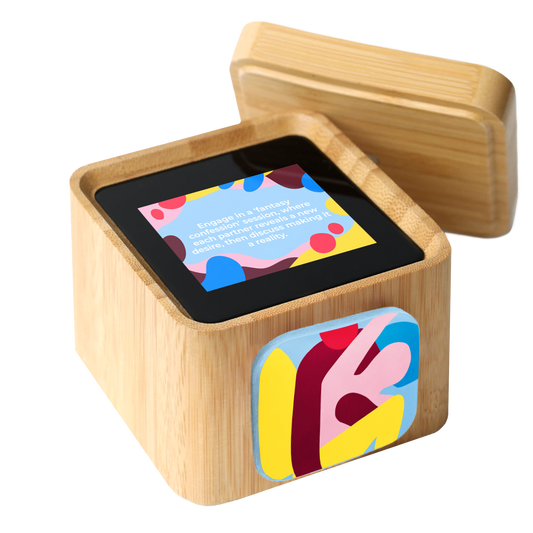
6. A thoughtful message system like Lovebox
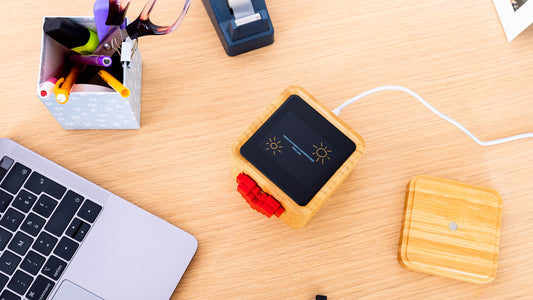
Lovebox can be useful when a parent wants a more emotional and visible way to stay in touch than standard texting. It is especially helpful for younger children or homes where a message on a screen can get lost in the noise of the day. A short note, drawing, or encouragement can wait at home until the child opens it, which can make the message feel special rather than routine.
This also fits families that want a gentle ritual instead of another app notification. The strongest use case is not constant messaging. It is a repeatable moment of surprise that tells the child they are still part of the parent’s daily life.
7. A special weekly activity online
One shared activity can give the week structure. That may be a bedtime story, a puzzle, a quick drawing challenge, or a show watched at the same time. It works best when the activity is simple enough to repeat without planning stress.
How to choose the right method for your child
Age is only one factor. Personality, attention span, and schedule matter too. A child who likes routine may want the same call time every day, while a more independent child may prefer a flexible voice message and one longer weekend chat.
Listen for signs that the current method is too much or too little. If calls feel rushed, shorten them. If messages go unanswered, change the format. The best routine is one your child can actually use, not one that looks ideal on paper.
Common mistakes that make distance harder
One common mistake is trying to do too much. Multiple calls, extra messages, and constant updates can overwhelm a child, especially on school days. Another mistake is waiting until the child is upset before creating a routine. Connection works best when it is preventive.
It also helps to avoid making every call about logistics. Kids usually want some structure, but they also want warmth. A check-in that includes a joke, a question, or a small detail about home often feels more human than a status report.
- Do not overpromise. If a call time may change, say so early.
- Do not turn every contact into a quiz. Keep the tone relaxed and conversational.
- Do not rely on one channel only. A backup message can save the day when travel gets messy.
- Do not ignore transitions. Coming home after a trip can feel awkward if there was little contact during the trip.
How to make the routine easier to keep
Use templates when possible. A saved goodnight message, a favorite photo format, or a recurring calendar reminder reduces decision fatigue. Travel often brings delays and interruptions, so low-effort systems tend to last longer.
It can also help to prepare your child before departure. Explain the schedule, the main contact time, and the backup plan. When kids know what will happen, they are less likely to feel uncertainty. That preparation often matters as much as the contact itself.
For families who want more ideas for maintaining warmth across distance, the guidance in ways to stay connected in a long distance relationship and cute connection rituals long distance relationship can be adapted to parent-child routines without losing the practical focus.
FAQs
How often should a parent contact kids while travelling for work?
A daily touchpoint is often enough for younger children, while older kids may prefer a mix of daily brief messages and one longer call. The right rhythm depends on age, school demands, and the child’s temperament. Consistency usually matters more than frequency.
If a child feels reassured by a predictable routine, keep the schedule stable rather than changing it trip by trip.
What is the best way to stay connected to kids when travelling for work?
The best method is the one your child can depend on. For many families, a short call combined with photos or voice notes works well. If the child values visible reminders, a message display at home can add a sense of presence between calls.
The strongest approach is usually a simple system with one live moment and one backup format.
How can a parent help a child feel less sad when away on business trips?
Give the child a clear plan before leaving, then follow it consistently. A countdown calendar, a bedtime message, or a special weekly activity can reduce worry. Children tend to cope better when they know when they will hear from the parent next.
A predictable return date and a warm greeting on return also help make separations feel temporary.
Should work travel communication be different for teens and younger kids?
Yes. Younger children often want more visual contact and repetition, while teens may prefer shorter, less frequent but more private check-ins. Teens also benefit when communication respects their schedule and does not interrupt school or social time.
Adapting the format to the child’s age often improves both response and trust.
Conclusion
To stay connected to kids when travelling for work, keep the plan simple, predictable, and personal. Use a mix of short calls, voice notes, photos, and rituals that fit your child’s age and routine. When the system is easy to repeat, connection can stay strong even when the parent is on the road.